How Pipe Fabrication Supports Industrial Projects
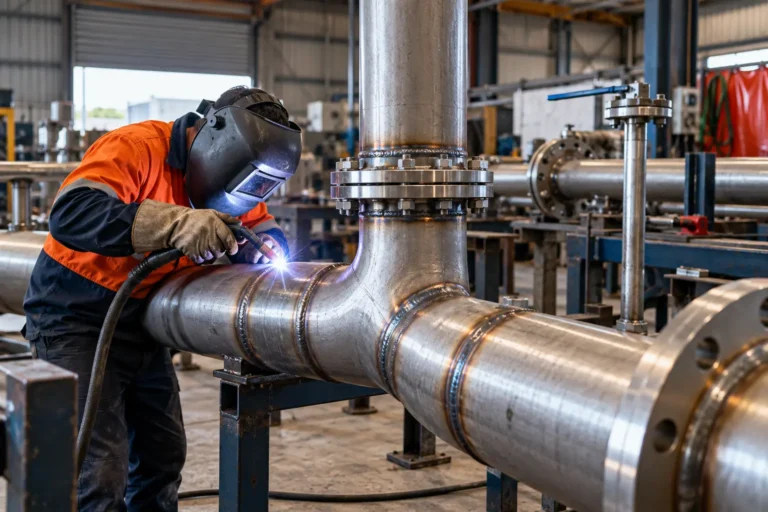
Pipe fabrication plays an important role in industrial, commercial, and engineering projects where reliable piping systems are required.…
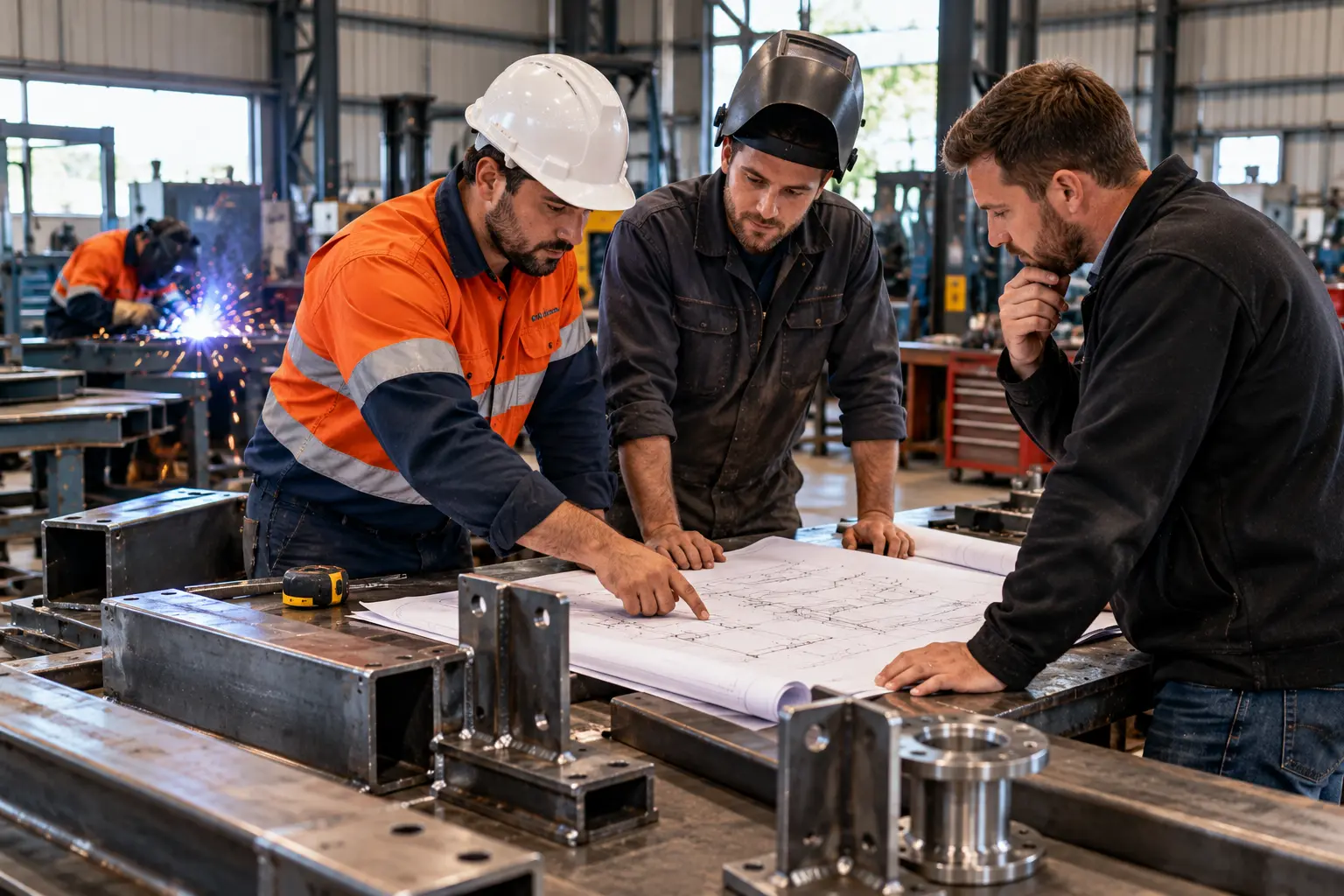 Metal Fabrication
Choosing the right metal fabrication company is an important decision for construction, engineering, manufacturing, and industrial projects. The quality of fabrication can influence component fit, installation efficiency, durability, and the overall progress of a project. Finding a suitable provider starts with understanding your requirements and identifying a team with the appropriate capabilities.
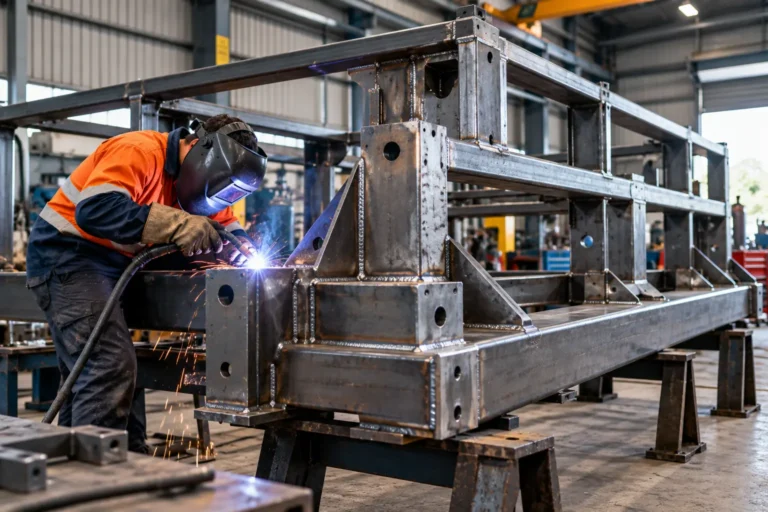
Metal fabrication can involve cutting, drilling, bending, fitting, welding, assembling, and finishing metal components. Some projects require simple custom brackets, while others involve complex steel assemblies, machinery components, pipework, or structural elements. Each type of work requires suitable equipment, technical knowledge, and careful planning.
Before contacting a fabrication company, consider what needs to be manufactured, where the components will be used, and what information is available. Drawings, measurements, photographs, material specifications, quantities, and installation details can help a provider understand the scope of work.
SK Metal Works Ltd. supports welding, metal fabrication, mechanical engineering solutions, CAD modelling and drafting, workshop and on-site services, and skilled manpower requirements in Christchurch, New Zealand.
Not every metal fabrication company offers the same services. Some specialise in particular materials or production methods, while others provide a broader range of welding, fabrication, engineering, and installation support.
Look for a provider whose capabilities align with the requirements of your project. If you need custom steel assemblies, ask about experience with similar fabrication work. If your project involves pipework, machinery components, or detailed metal structures, confirm that the company can undertake the relevant tasks.
It is also useful to understand what equipment and workshop facilities are available. Suitable cutting, drilling, welding, and material-handling equipment can influence how efficiently components are produced.
For projects that require work at the site, confirm whether the provider can support on-site activities and coordinate with other contractors. Discussing these requirements early helps establish whether the proposed approach is practical.
Rather than relying on general claims, ask for relevant examples of completed work where available. Photographs, project descriptions, and technical discussions can help you assess whether a company’s experience matches your needs.
Quality should be a major consideration when comparing fabrication providers. Well-fabricated components should meet the agreed dimensions, material specifications, drawings, and applicable project requirements.
During your discussions, ask how the company manages measurements, component preparation, welding, assembly, and inspection. The appropriate process will depend on the complexity and intended use of the finished product.
For example, a fabricated assembly may require dimensional checks to confirm that holes, plates, and connecting members are correctly positioned. Other projects may require specified weld inspections, material documentation, or additional testing.
Quality requirements should be established before production begins. If a project requires particular standards, certifications, inspection records, or acceptance criteria, confirm these details with the provider and responsible project professionals.
Clear documentation also helps reduce misunderstandings. An agreed scope of work, approved drawings, and a process for managing revisions provide a useful reference for both parties throughout fabrication.
Some fabrication projects require more than workshop production. They may need 3D modelling, fabrication drawings, component detailing, or coordination between design and manufacturing teams.
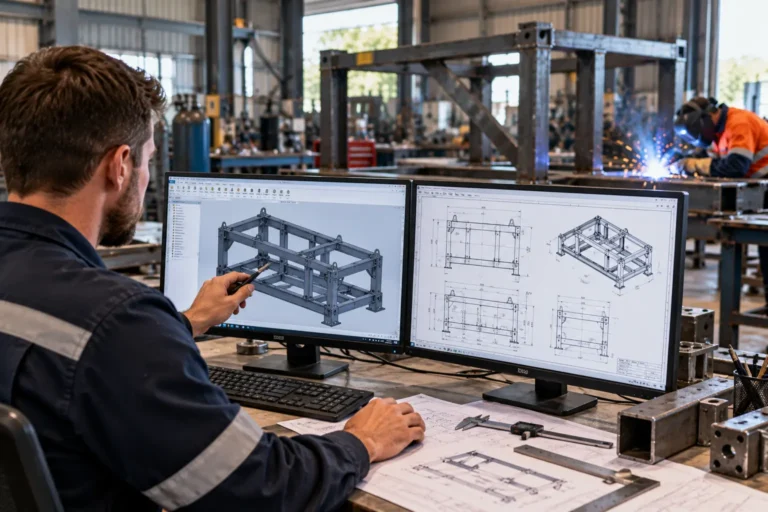
CAD modelling and drafting can help communicate dimensions, component positions, connection details, and assembly arrangements before materials are processed. Digital models may also help identify potential clashes or fit-up problems during design review.
If engineering support is important to your project, ask what services the company can provide and which deliverables are included. These may include 3D models, fabrication drawings, structural details, or practical coordination between design and production.
It is important to distinguish drafting and fabrication support from formal engineering design or certification. Where structural calculations, design approval, or certified documentation are required, the appropriate qualified professionals should be involved.
Software such as Autodesk Inventor and SolidWorks can support digital modelling and technical documentation. However, the value of CAD work depends on the accuracy of the information, the quality of the review process, and how well the drawings communicate the manufacturing requirements.
The location of the work can influence how a fabrication project should be planned. Workshop fabrication is suitable for many components because materials, equipment, and work areas can be organised in a controlled environment.
Manufacturing components in a workshop may also make it easier to measure assemblies, coordinate production stages, and inspect work before delivery. However, transportation limits, component size, and site access may affect whether a finished assembly can be moved safely to its final location.
On-site services may be required when components need to be installed, adjusted, repaired, or connected directly at the project location. Site work can involve additional coordination, access arrangements, lifting requirements, and safety considerations.
When requesting a quote, explain whether the project requires workshop fabrication, on-site work, or a combination of both. Confirm which activities are included in the price and who is responsible for transportation, installation equipment, access, and related arrangements.
Metal fabrication involves welding equipment, cutting tools, heavy materials, hot surfaces, and other potential workplace hazards. A suitable provider should understand the risks associated with the work and follow appropriate safety procedures.
Ask how the company approaches equipment use, material handling, hot-work activities, personal protective equipment, and workshop organisation. For site-based projects, discuss how the work will be coordinated with other activities and the applicable site requirements.
Depending on the project, additional requirements may include worker training, documented procedures, inspection records, or specific technical standards. These should be clarified before work begins.
For projects in New Zealand, applicable workplace health and safety obligations and relevant project specifications should be considered. Any required compliance documentation or formal approvals should be agreed upon with the responsible parties.
Safety should not be treated as an optional extra. Proper planning and clear responsibilities help create a safer working environment and support more dependable project delivery.
Price is an important factor, but the lowest quote does not always represent the best overall value. Two fabrication companies may provide different prices because their proposed materials, labour, design support, inspection procedures, or delivery arrangements differ.
When comparing quotes, review the scope of work carefully. Check whether material supply, cutting, welding, finishing, engineering drawings, inspection, transportation, and installation are included where relevant.
Ask about the expected timeframe, payment terms, assumptions, and how variations will be handled if project requirements change. Understanding these details can help prevent unexpected costs later.
A useful quote should clearly describe what will be delivered and identify any exclusions or information still required. If an item is unclear, request clarification before approving the work.
Value also includes communication, workmanship, project coordination, and the provider’s ability to respond when issues arise. A realistic comparison considers the complete service rather than focusing only on the initial amount.
Successful fabrication projects depend on accurate information and timely communication. Changes to dimensions, materials, delivery dates, or installation conditions can affect the production process, so the relevant people need to be informed promptly.
During the initial enquiry, notice whether the provider asks useful questions about the project. A clear discussion about drawings, quantities, deadlines, site access, and technical requirements can help establish a more accurate understanding of the job.
It is also helpful to agree on how updates will be shared and who should approve changes. Maintaining a record of decisions and drawing revisions can reduce confusion, especially when multiple contractors are involved.
Before committing to a project, discuss the expected schedule and any dependencies that may affect delivery. Material availability, design approvals, and access arrangements can all influence the timeframe.
Reliable communication helps both the customer and fabrication team manage expectations and respond to changes in a practical way.
Before selecting a metal fabrication company, consider asking the following questions to clarify its capabilities and the proposed service:
The answers can help you understand whether the company is suitable for your project and whether additional technical or commercial details need to be resolved before work begins.
The right metal fabrication company should understand your requirements, communicate clearly, and have the capabilities needed to deliver the agreed scope of work. Relevant experience, quality practices, safety awareness, technical support, and transparent pricing all contribute to a more informed decision.
Taking time to review these factors before production starts can help reduce misunderstandings and make it easier to coordinate fabrication with the wider project schedule.
SK Metal Works Ltd. provides custom welding and fabrication, mechanical engineering solutions, CAD modelling and drafting, workshop and on-site services, and skilled manpower support in Christchurch, New Zealand. Our focus is on understanding project requirements and discussing practical solutions based on the work involved.
Whether you are planning a custom metal component, a fabricated steel assembly, or a project that needs design and workshop coordination, sharing the relevant drawings and details is a useful first step.
Planning a metal fabrication or engineering project? Contact SK Metal Works Ltd. to discuss your requirements, ask questions, and request a quote.
Ready to get started? Contact SK Metal Works Ltd. to discuss your project.
Pipe fabrication plays an important role in industrial, commercial, and engineering projects where reliable piping systems are required.…
Understanding Custom Metal Fabrication Custom metal fabrication is the process of manufacturing metal components and assemblies according to…
Understanding CAD in Metal Fabrication Computer-aided design, commonly known as CAD, plays an important role in modern metal…