Benefits of Custom Metal Fabrication for Industrial Projects
Understanding Custom Metal Fabrication Custom metal fabrication is the process of manufacturing metal components and assemblies according to…
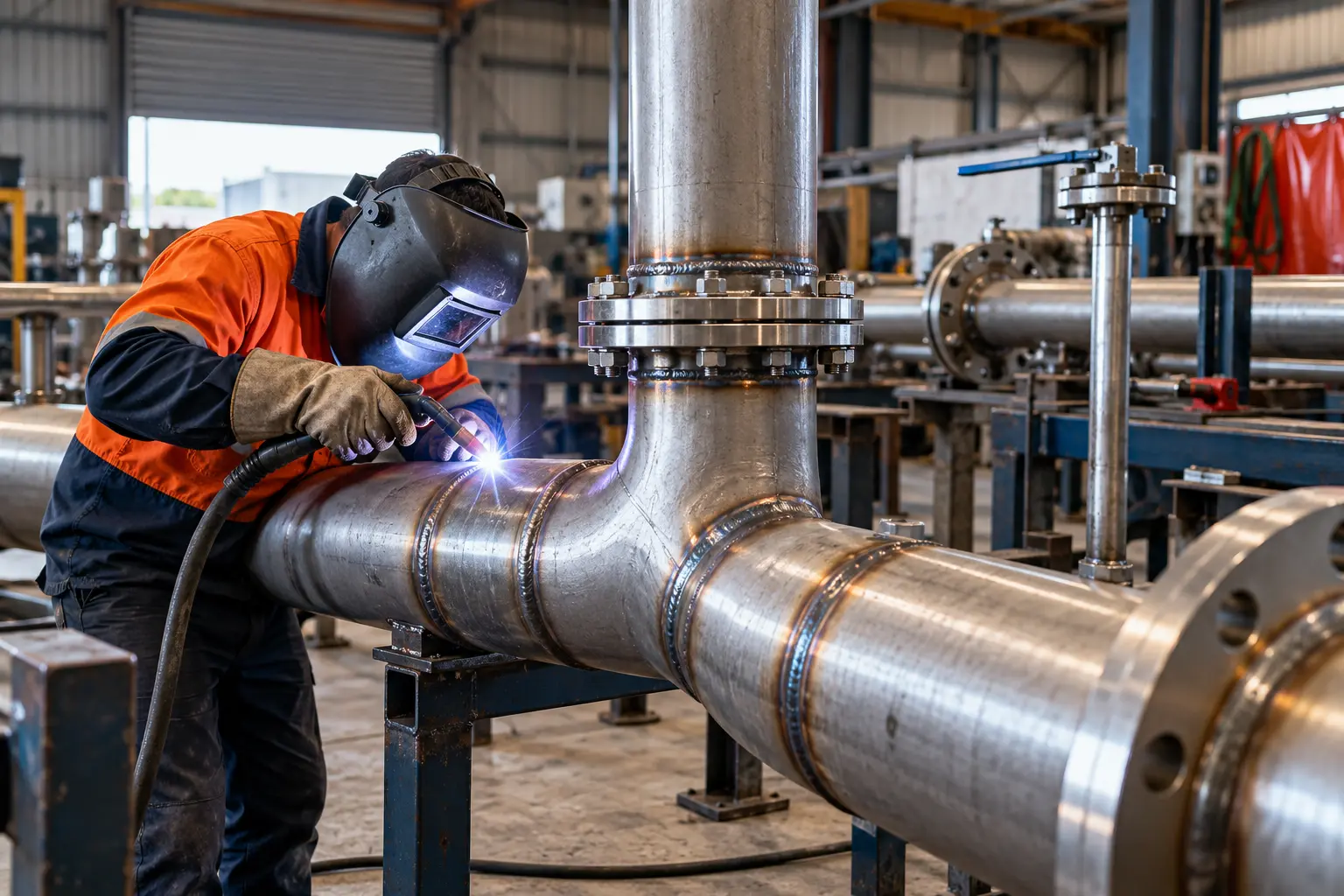 Pipe Fabrication
Pipe fabrication plays an important role in industrial, commercial, and engineering projects where reliable piping systems are required. From connecting equipment to transporting water, air, and other process materials, properly fabricated pipework helps support the functionality and efficiency of many industrial operations. Accurate measurements, suitable materials, quality welding, and careful installation are essential to achieving dependable results.
For businesses planning new installations, equipment upgrades, or piping modifications, understanding the pipe fabrication process can help improve project planning and reduce avoidable complications. SK Metal Works Ltd. provides practical welding, fabrication, and engineering support tailored to project requirements across Christchurch and New Zealand.
Pipe fabrication involves preparing, cutting, fitting, joining, and assembling pipes and related components according to project specifications. Depending on the application, the work may include pipe cutting, forming, welding, fitting connections, preparing supports, and coordinating components with surrounding structures or equipment.
Each piping project has different requirements. Pipe dimensions, material types, operating conditions, connection methods, and installation environments all influence how the work should be planned and completed. A structured fabrication process helps ensure that individual components are prepared to suit the intended system.
Accurate measurements are fundamental to successful pipe fabrication. Incorrect dimensions or poorly positioned connections can create alignment problems during assembly and installation. These issues may lead to additional cutting, adjustments, delays, or replacement work.
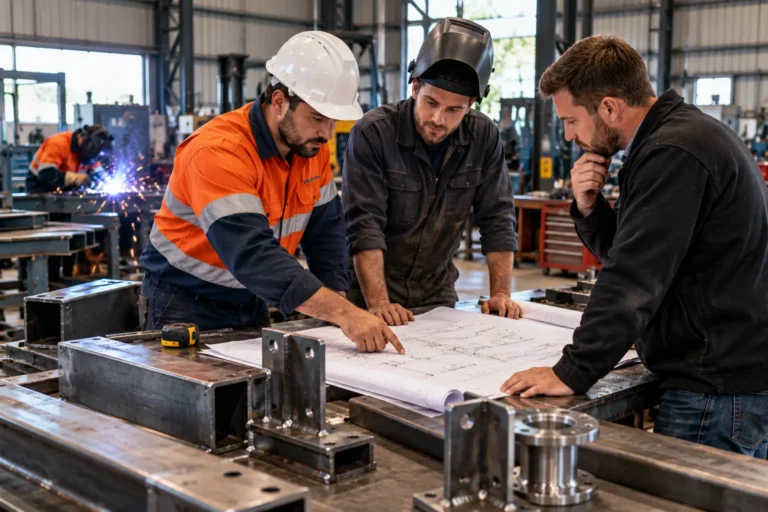
Before fabrication begins, project teams should review available drawings, confirm critical dimensions, and identify connection points and installation clearances. When site conditions differ from the original plans, measurements may need to be verified before components are produced.
Careful preparation helps improve component fit, supports efficient installation, and reduces unnecessary material waste. It also makes coordination between fabrication and installation teams more straightforward.
Material selection depends on the purpose of the piping system and the conditions in which it will operate. Factors such as strength, corrosion exposure, temperature, pressure, compatibility, and maintenance requirements should be considered during project planning.
Different applications may require carbon steel, stainless steel, or other specified materials. The correct choice should follow the engineering requirements and applicable standards for the project rather than relying on appearance or initial cost alone.
Material specifications should be confirmed before fabrication begins. Using suitable materials helps support the intended performance of the piping system and reduces the risk of avoidable compatibility or durability problems.
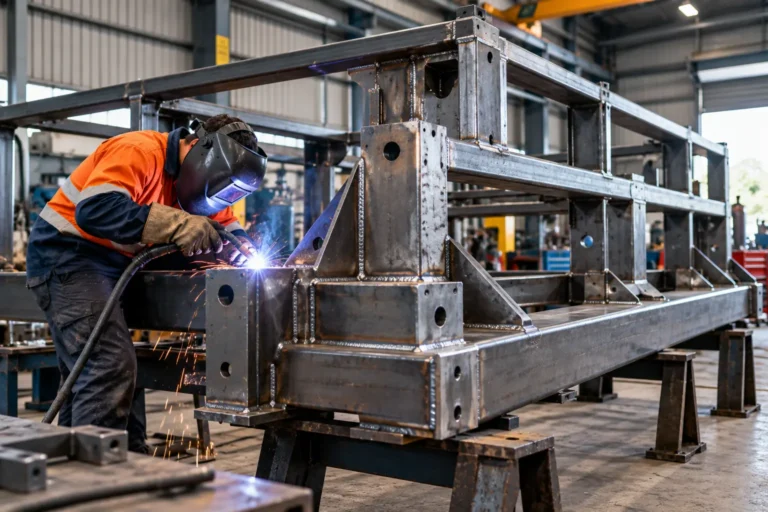
Welding is often a key part of pipe fabrication because it joins pipe sections and associated components into an assembled system. The required welding method depends on factors such as material type, pipe dimensions, joint design, access, and the specifications governing the work.
Good welding preparation includes appropriate joint preparation, correct alignment, suitable equipment, and a process that matches the project requirements. Welding should be completed by suitably skilled personnel using appropriate safety procedures and quality controls.
Where the application requires specific inspection, testing, or documentation, these requirements should be established before work starts. Following the specified procedures helps ensure that fabrication is aligned with the intended service conditions.
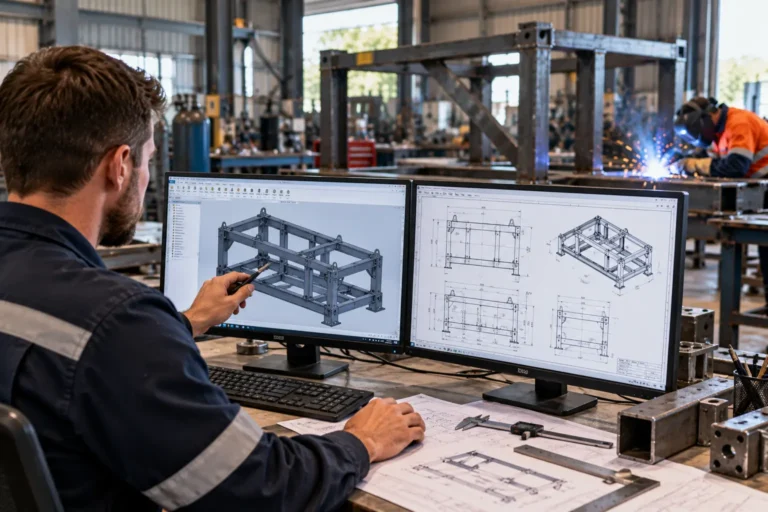
Engineering drawings help communicate how pipework should be manufactured and assembled. Depending on project complexity, drawings may show dimensions, pipe routes, connection locations, support positions, equipment interfaces, and other details required for fabrication.
Three-dimensional modelling can also help teams understand spatial relationships and identify potential clashes with structural steel, machinery, walls, or existing services. SK Metal Works Ltd. uses engineering tools such as Inventor and SolidWorks to support suitable modelling and drafting requirements.
Drawings should be reviewed against actual site conditions wherever necessary. Confirming access, clearances, support locations, and installation sequences before fabrication can help avoid preventable adjustments during installation.
Pipework can often be prepared in a workshop before being transported to the installation location. Workshop fabrication may provide a more controlled environment for measuring, cutting, fitting, welding, and checking components before delivery.
However, some work must be completed or adjusted on-site because of access restrictions, existing equipment, limited installation space, or project-specific conditions. Effective coordination between workshop and site teams helps ensure that fabricated components are suitable for the intended installation.
The right balance between workshop preparation and on-site work depends on the project scope. Planning this balance early can improve workflow, reduce disruption, and help manage installation requirements more effectively.
Pipe fabrication and installation can involve hot work, heavy materials, cutting equipment, lifting operations, confined work areas, and other potential hazards. A suitable safety plan should be developed before work begins and adapted to the specific site and task.
Important considerations may include appropriate personal protective equipment, safe material handling, welding and cutting precautions, equipment inspections, ventilation, fire prevention, and coordination with other workers. Where required, permits, isolation procedures, and site-specific controls must also be followed.
Pipework intended for pressurised or hazardous services requires particular attention to the applicable engineering requirements, testing procedures, and inspection criteria. Safety and compliance should remain central throughout planning, fabrication, and installation.
Quality checks help confirm that fabricated pipe components meet the agreed specifications before they are installed. Depending on the project, checks may cover dimensions, alignment, joint preparation, weld appearance, material identification, and the completeness of associated documentation.
Some systems require additional inspection or testing, such as pressure or leak testing, non-destructive examination, or verification by an appropriately qualified inspector. The required checks should be determined by the relevant specifications, standards, and intended application.
Identifying issues before installation can prevent unnecessary dismantling and rework. Keeping clear records of inspections, changes, and approvals also supports communication between project stakeholders.
Pipe fabrication projects may face challenges such as incomplete drawings, changing site conditions, restricted access, material availability, coordination with other trades, and unexpected clashes with existing infrastructure. If these issues are identified late, they can affect schedules and increase project costs.
Early communication helps teams clarify requirements and determine which details need confirmation before fabrication starts. Reviewing drawings, checking measurements, confirming material specifications, and planning installation access can address many common concerns.
When project requirements change, the relevant drawings and fabrication details should be reviewed before modifications proceed. Clear approval and communication processes help ensure that updates are understood by everyone involved.
Selecting a suitable fabrication partner involves more than comparing quotations. Businesses should consider relevant experience, welding and fabrication capability, drawing interpretation, communication, safety practices, and the ability to coordinate workshop and on-site requirements.
Before appointing a provider, clarify the project scope, material specifications, expected deliverables, quality requirements, installation responsibilities, and any necessary inspection or documentation. A clear quotation should explain what is included and identify any assumptions or exclusions.
It is also useful to discuss how design changes, site constraints, and scheduling updates will be handled. A practical and transparent working relationship helps keep project expectations aligned from the initial discussion through completion.
SK Metal Works Ltd. supports projects requiring pipe installation, fabrication, and welding, alongside custom metal fabrication, mechanical engineering solutions, 3D modelling and drafting, and workshop and on-site services. Our approach focuses on understanding project requirements and providing practical support suited to the work involved.
Whether you are planning new pipework, modifying an existing arrangement, or coordinating fabrication with other engineering activities, clear specifications and careful preparation are important starting points. We can discuss your drawings, measurements, materials, and project scope to help establish the appropriate next steps.
Every project has its own technical and site considerations, so the required work, inspection arrangements, and delivery scope should be confirmed during the initial discussion.
If you need pipe installation, fabrication, or welding support in Christchurch or elsewhere in New Zealand, contact SK Metal Works Ltd. to discuss your project requirements.
Phone: +64 22 630 9757
Email: mdkamrulhasan29@gmail.com
Location: Christchurch, New Zealand
Share your project details, drawings, or specifications with our team so we can discuss the required fabrication and engineering support. Contact SK Metal Works Ltd. to request a quote.
Understanding Custom Metal Fabrication Custom metal fabrication is the process of manufacturing metal components and assemblies according to…
Understanding Your Metal Fabrication Requirements Choosing the right metal fabrication company is an important decision for construction, engineering,…
Understanding CAD in Metal Fabrication Computer-aided design, commonly known as CAD, plays an important role in modern metal…