How CAD Drawings Improve Metal Fabrication Accuracy
Understanding CAD in Metal Fabrication Computer-aided design, commonly known as CAD, plays an important role in modern metal…
 Blog
BlogMetal fabrication plays an important role in modern construction, manufacturing, and industrial development. From structural steel frames to custom metal components, professionally fabricated metal products help create strong, reliable, and functional structures. Choosing the right fabrication partner can make a significant difference in the quality, accuracy, and efficiency of a construction project.
SK Metal Works Ltd. provides welding, metal fabrication, and engineering solutions designed around project requirements. From custom steel components to fabricated assemblies, careful planning and skilled workmanship help ensure that each job meets its intended purpose.
Metal fabrication involves transforming raw metal into finished components through processes such as cutting, measuring, drilling, bending, fitting, welding, and finishing. The specific methods depend on the material, design, and intended application.
Quality is more than the appearance of a finished metal product. It includes dimensional accuracy, appropriate material selection, reliable workmanship, and attention to project specifications. A well-planned fabrication process helps reduce avoidable errors and supports consistent results.
When components do not match the required dimensions, additional cutting, drilling, adjustments, or rework may be necessary. These issues can affect project schedules and increase labour requirements. Careful measurements, suitable tools, and clear fabrication drawings help minimise these problems.
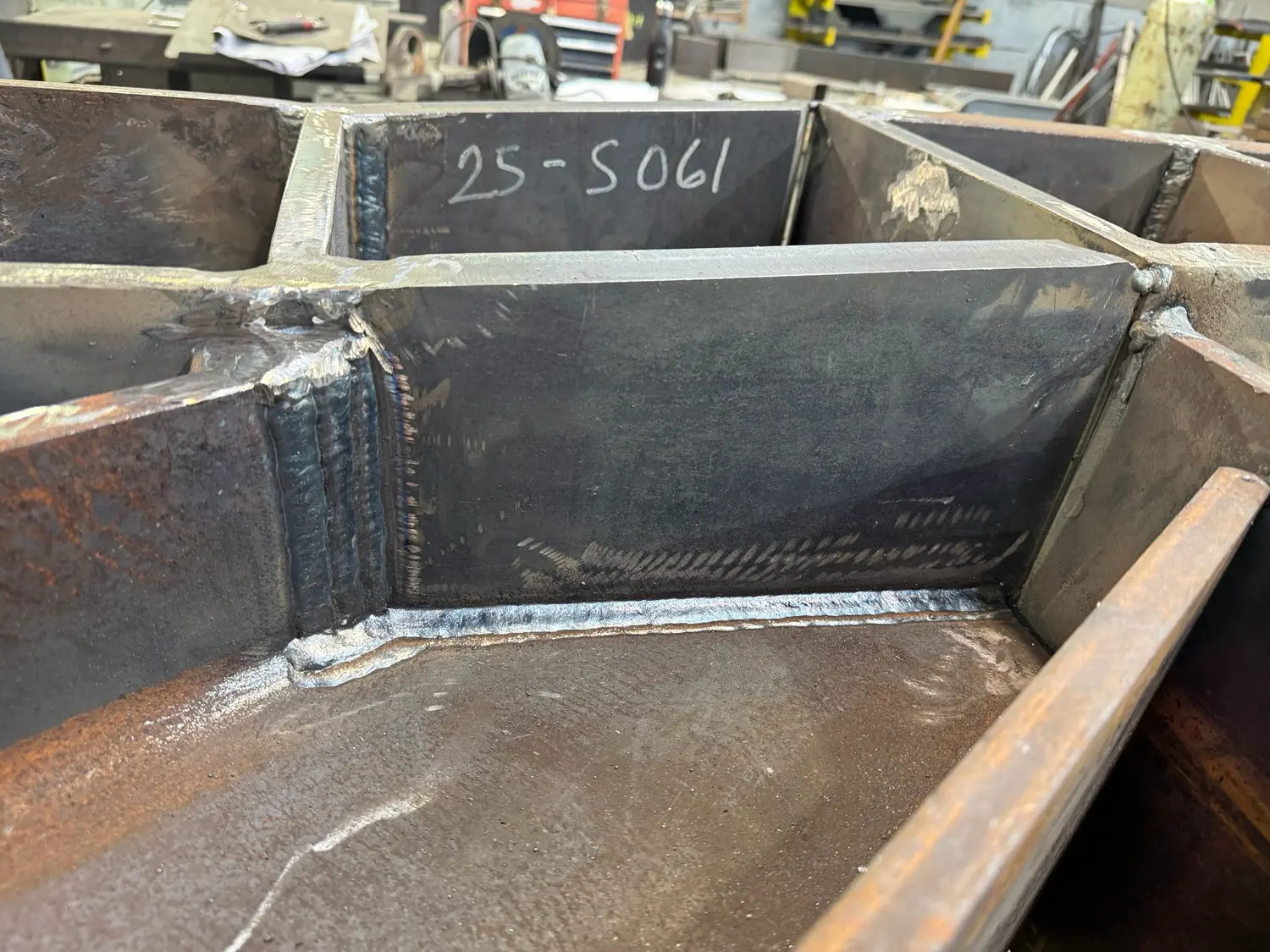
Quality-focused fabrication also involves checking components throughout production. Depending on the project requirements, inspections may include measurements, alignment, weld appearance, and verification against specified acceptance criteria.
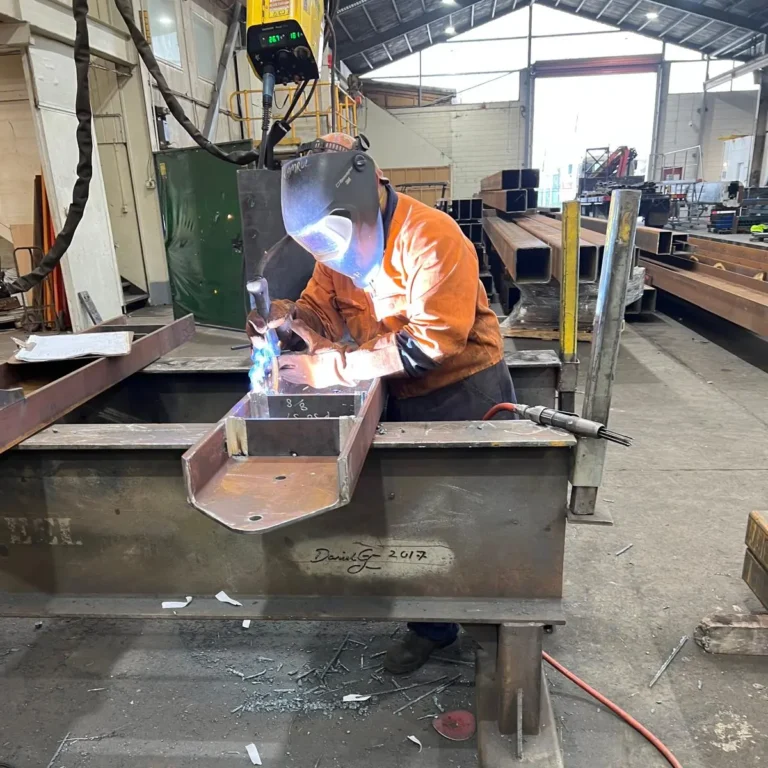
Welding joins metal components to create assemblies for construction, manufacturing, and industrial applications. Welded connections may be used in structural frames, brackets, supports, platforms, equipment bases, and custom steel assemblies.
Successful welding depends on several factors, including material type, joint preparation, component fit-up, welding methods, and the requirements of the finished assembly. Skilled welders pay attention to these details to help achieve consistent results.
Preparation is particularly important. Correct alignment, suitable joint preparation, and appropriate welding parameters contribute to dependable workmanship. Where a project requires formal inspection or testing, the relevant specifications and acceptance criteria should be followed.
SK Metal Works Ltd. approaches custom welding and fabrication with a focus on practical project requirements, careful workmanship, and clear communication.
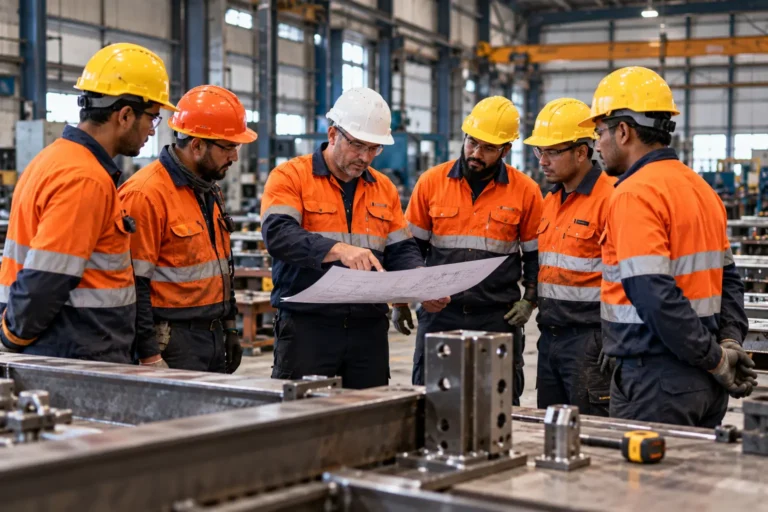
Engineering and fabrication drawings provide essential information for producing metal components accurately. They communicate dimensions, material specifications, connection details, component positions, and other information needed during fabrication and installation.
Clear drawings help workshop teams understand what needs to be manufactured and how individual parts fit into the overall assembly. They also support communication between engineers, project managers, fabricators, and installation teams.
Three-dimensional modelling can be especially useful when a project involves complex shapes, multiple connections, or assemblies that must fit within a defined space. CAD tools such as Autodesk Inventor and SolidWorks can support model development and the preparation of fabrication drawings.
Reviewing designs before production may help identify potential fit-up issues, access limitations, or clashes between components. Resolving these concerns early can reduce unnecessary modifications during fabrication or installation.
Every project has different fabrication requirements. Some components can be manufactured in a controlled workshop environment, while other tasks need to be completed at the project site. The most suitable approach depends on assembly size, transportation requirements, installation conditions, and scheduling.
Workshop fabrication allows teams to prepare components using suitable machinery, tools, and work areas. It also helps organise materials, manage production stages, and inspect completed assemblies before delivery.
On-site services may be appropriate when components need to be installed, adjusted, repaired, or connected at a project location. Site work requires suitable equipment, careful coordination, and attention to surrounding activities and safety requirements.
Considering workshop and on-site requirements during the planning stage helps project teams select a practical approach to fabrication and installation.
Metal fabrication involves equipment, heavy materials, heat, sparks, sharp edges, and other potential workplace hazards. Maintaining a safe working environment requires appropriate training, suitable personal protective equipment, and consistent attention to established procedures.
Depending on the work, precautions may include securing materials, maintaining clear access routes, using suitable lifting equipment, controlling hot-work risks, and ensuring appropriate ventilation.
Safety planning should also consider how fabrication activities interact with other work taking place nearby. Clear communication and coordination can help reduce unnecessary risks during production, delivery, and installation.
For projects in New Zealand, applicable workplace health and safety requirements, project specifications, and relevant technical standards should be considered throughout the work.
Selecting a metal fabrication provider involves more than comparing prices. Project owners and contractors should consider relevant experience, technical capabilities, communication, quality practices, and the ability to understand the required scope of work.
Before fabrication begins, it is useful to discuss drawings, dimensions, materials, quantities, deadlines, access conditions, and installation requirements. Providing accurate information helps the fabrication team assess the work and identify questions that need to be resolved.
Some projects may also require engineering approval, material certification, inspection, surface treatment, delivery, or installation. Confirming which services are included helps establish realistic expectations and reduces misunderstandings.
A reliable working relationship depends on clear communication from the initial enquiry through to project completion. Regular updates and prompt discussion of changes help keep everyone aligned with project requirements.
Metal fabrication supports a variety of industries, including construction, engineering, manufacturing, industrial operations, and commercial development. Each sector may require different component designs, fabrication methods, materials, and installation arrangements.
Construction projects may require structural steel components and custom supports. Manufacturing facilities may need equipment frames, machine supports, or purpose-built assemblies. Industrial projects can involve fabricated components designed around specific operating conditions and maintenance requirements.
Custom fabrication makes it possible to develop components for particular dimensions, layouts, and functional needs rather than relying exclusively on standard products. However, the suitability of every component must be assessed against its intended use and the relevant design and engineering requirements.
Good project preparation starts with a clear understanding of what needs to be built. Drawings, measurements, photographs, material requirements, quantities, and site information can help a fabrication team understand the scope of work.
If drawings are not yet available, a preliminary discussion can help identify the information needed before the project progresses. Where engineering design or structural approval is required, the appropriate qualified professionals should be involved before fabrication begins.
Allowing sufficient time for design reviews, material procurement, fabrication, quality checks, and delivery can also help establish a realistic schedule. Early communication is particularly valuable when a project involves complex assemblies or coordination with other contractors.
SK Metal Works Ltd. provides welding, metal fabrication, mechanical engineering solutions, CAD modelling and drafting, workshop and on-site services, and skilled manpower support for project requirements in Christchurch, New Zealand.
We believe successful fabrication begins with understanding the job, planning carefully, and paying attention to the details that matter. From custom metal components to larger fabricated assemblies, our focus is on practical solutions supported by quality workmanship, precision, and clear communication.
If you are planning a construction, engineering, or industrial project, contact SK Metal Works Ltd. to discuss your requirements. Sharing your drawings, photographs, measurements, or a brief description of the work can help us understand your needs and discuss the next steps.
Contact SK Metal Works Ltd.
Ready to discuss your project? Contact SK Metal Works Ltd. for a project enquiry or quote.
Understanding CAD in Metal Fabrication Computer-aided design, commonly known as CAD, plays an important role in modern metal…
Why Workshop Safety Matters in Metal Fabrication Metal fabrication workshops involve a wide range of activities, including cutting,…