How CAD Drawings Improve Metal Fabrication Accuracy
Understanding CAD in Metal Fabrication Computer-aided design, commonly known as CAD, plays an important role in modern metal…
 Industrial
Metal fabrication workshops involve a wide range of activities, including cutting, grinding, welding, drilling, material handling, and assembling metal components. These processes require specialised equipment, skilled workers, and careful attention to workplace safety. Without appropriate precautions, workshop activities can expose workers to burns, eye injuries, cuts, falling materials, and other hazards.
Safety should be considered an essential part of every fabrication project, not simply a final inspection before work begins. A well-organised workshop helps workers perform their tasks efficiently while reducing avoidable risks. For businesses involved in welding, engineering, and metal fabrication, establishing consistent safety practices supports better working conditions and more dependable project delivery.
At SK Metal Works Ltd., quality workmanship and safety are important considerations when approaching fabrication and engineering requirements. Understanding common workshop hazards and following appropriate procedures can help businesses create a safer environment for their teams.
Every fabrication task has its own potential hazards. Before work begins, workers should understand the materials, tools, equipment, and working conditions involved. A task that appears straightforward may still require careful preparation, particularly when it involves heavy steel components, powered machinery, or hot work.
Common hazards in metal fabrication workshops include sharp metal edges, flying particles, welding fumes, sparks, hot surfaces, electrical equipment, moving machinery, and heavy materials. Slippery floors, poorly arranged cables, and obstructed walkways can also increase the risk of accidents.
Identifying hazards early allows the team to select suitable controls before production starts. Depending on the task, this may involve securing a component, checking equipment, improving ventilation, separating work areas, or arranging appropriate lifting assistance.
Workers should also understand the specific procedures applicable to their equipment and tasks. If a job presents unfamiliar risks or requires specialist knowledge, the work should be reviewed before proceeding.
Personal protective equipment, commonly known as PPE, helps reduce exposure to workplace hazards when selected and used correctly. The equipment required depends on the type of work being performed and the risks identified during planning.
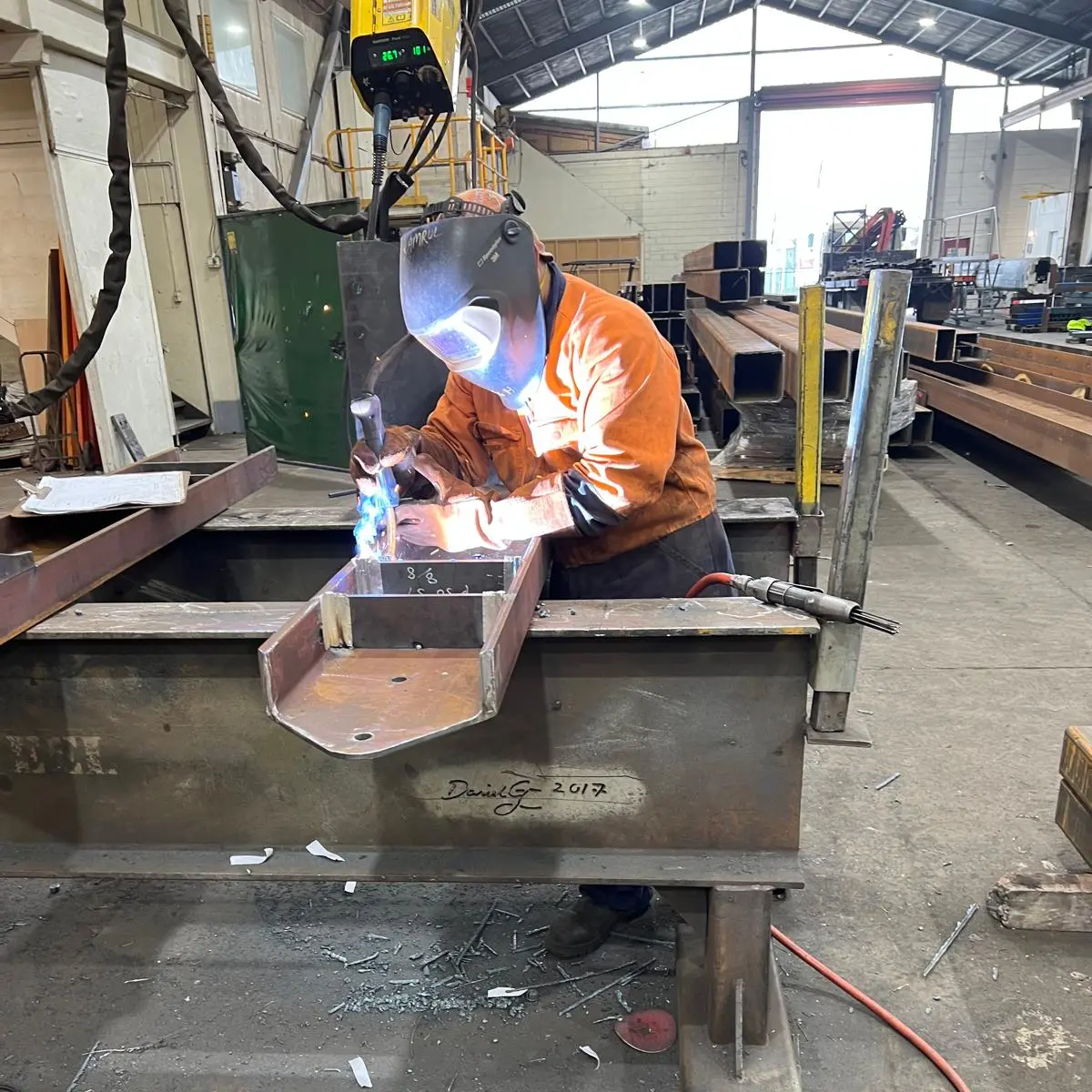
Welding activities generally require a suitable welding helmet with the correct filter shade, protective gloves, appropriate work clothing, and footwear designed for the environment. Grinding and cutting may require suitable eye and face protection, hearing protection, and other equipment based on the task.
Protective equipment should fit properly, remain in good condition, and be suitable for the work being undertaken. Damaged gloves, cracked safety glasses, or unsuitable clothing may not provide adequate protection.
Workers should understand the limitations of their PPE and know when additional protective measures are necessary. Loose clothing, jewellery, and unsecured long hair can create entanglement hazards around rotating machinery and should be managed appropriately.
PPE is only one part of an effective safety approach. It should complement other controls, such as machine guarding, ventilation, safe work procedures, and proper equipment maintenance.
Welding and metal cutting are common fabrication activities that require careful control. Welding produces intense light, heat, fumes, and sparks, while cutting and grinding can generate flying particles and hot metal fragments.
Before welding, workers should inspect their equipment, cables, connections, and protective accessories. The work area should be checked for combustible materials and other hazards. Appropriate fire prevention measures should be in place, especially when hot work takes place near stored materials or other workshop activities.
Suitable ventilation is important because welding fumes can contain substances that may be harmful when inhaled. The appropriate ventilation or extraction method depends on the materials, welding process, and working environment. Workers should follow relevant procedures and seek specialist guidance where necessary.
Grinding and cutting equipment should be used only for suitable applications and in accordance with the manufacturer’s instructions. Guards should remain in place, accessories should be compatible with the machine, and damaged discs or equipment should not be used.
Workers should also allow hot components to cool safely and identify them clearly where others may come into contact with them. Good coordination helps prevent burns and reduces the chance of sparks or hot materials affecting nearby workers.
Well-maintained equipment supports safer and more consistent fabrication work. Before using machinery, workers should check for visible damage, unusual wear, loose components, and other signs that may affect safe operation.
Equipment such as cutting machines, grinders, drills, welding machines, and lifting devices should be maintained according to manufacturer recommendations and applicable workplace requirements. Faulty equipment should be removed from service and reported to the appropriate person rather than used until a problem becomes more serious.
Machine guards, emergency stops, and other safety features should not be removed or bypassed to save time. Workers should receive suitable training before operating unfamiliar equipment, and maintenance should be performed by appropriately qualified personnel.
Where equipment requires cleaning, adjustment, or repair, appropriate isolation procedures should be followed to prevent unexpected starting or the release of stored energy. These procedures should be suitable for the particular machine and task.
Regular equipment checks, clear reporting procedures, and prompt maintenance help reduce the likelihood of preventable incidents and unexpected production interruptions.
Metal fabrication often involves moving steel plates, beams, pipes, frames, and other heavy components. Incorrect handling can result in crushing injuries, strains, dropped loads, or damage to finished work.
Before moving a heavy component, workers should assess its weight, shape, stability, and intended travel path. Suitable lifting equipment and accessories should be selected for the load, and the equipment’s rated capacity must not be exceeded.
Loads should be secured correctly, and workers should remain clear of suspended materials. Lifting operations may require a designated person to coordinate movements and ensure that everyone involved understands the signals and responsibilities.
Manual handling should also be considered when moving smaller components. Workers should use suitable handling methods and mechanical assistance where necessary rather than attempting to move loads beyond their safe capabilities.
Storage areas should be arranged so that steel materials remain stable and cannot roll, slide, or fall unexpectedly. Keeping materials organised also makes it easier to locate the correct components and maintain clear access throughout the workshop.
Good housekeeping is one of the simplest ways to improve workshop safety. Metal offcuts, grinding dust, welding cables, tools, and packaging materials can create trip hazards or obstruct access to equipment and emergency exits.
Workers should return tools to their designated locations, remove waste materials regularly, and keep walkways clear. Cables and hoses should be positioned carefully to minimise obstruction, and spills should be addressed using appropriate procedures.
Organised storage helps prevent materials from falling and reduces the time workers spend searching for tools or components. Clearly marked areas for raw materials, work in progress, finished assemblies, and waste can make the workshop easier to manage.
Cleaning activities should be performed with appropriate precautions. Metal dust, sharp offcuts, and other waste may require specific handling methods, so workers should follow the relevant procedures rather than using unsafe shortcuts.
Effective workshop safety depends on more than written rules. Workers, supervisors, and management all have a role in identifying hazards, communicating concerns, and following established procedures.
Appropriate training helps workers understand equipment operation, emergency arrangements, hazard reporting, and the safe completion of their assigned tasks. New workers should receive suitable instruction before undertaking unfamiliar activities, while experienced workers should remain aware of changes to equipment, materials, and work methods.
Regular communication can help teams discuss potential hazards before they become incidents. Workers should feel able to report damaged equipment, unsafe conditions, near misses, and concerns without ignoring them to maintain production speed.
Emergency arrangements should also be understood by everyone in the workshop. Depending on the environment, this may include knowing how to raise an alarm, access first aid, use designated escape routes, and respond to fire or other emergencies.
In New Zealand, workshop operators should consider applicable health and safety obligations and guidance from WorkSafe New Zealand. Procedures should reflect the actual hazards and risks associated with the work being performed.
Workshop safety and project quality are closely connected. Careful planning, appropriate equipment, skilled workers, and organised work areas help create conditions for reliable fabrication. When safety is considered from the beginning, teams can identify problems earlier and avoid unnecessary interruptions.
Each project should be assessed according to its specific requirements. Structural assemblies, custom metal components, pipe fabrication, and on-site installation can involve different hazards and controls. A consistent approach to risk assessment helps ensure that the safety measures match the work being undertaken.
SK Metal Works Ltd. supports welding, fabrication, mechanical engineering, CAD modelling and drafting, workshop and on-site services, and skilled manpower requirements in Christchurch, New Zealand. We recognise the importance of careful workmanship, clear communication, and appropriate planning when delivering metal fabrication solutions.
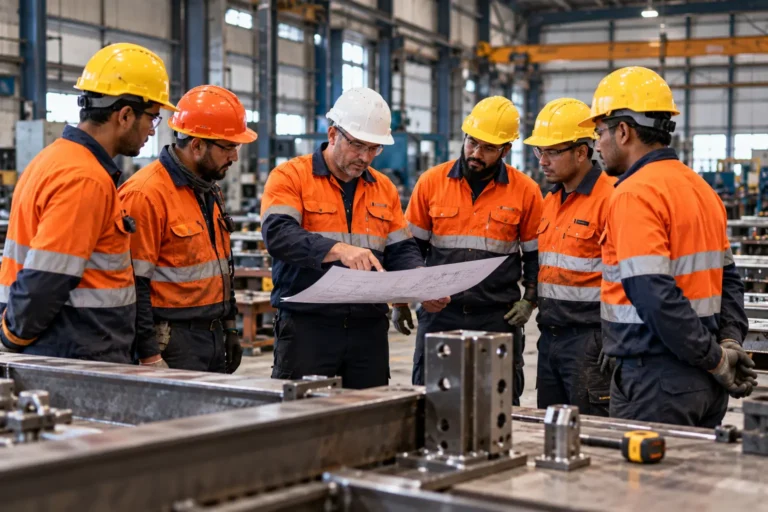
If you are preparing a fabrication project, discussing the scope of work, materials, drawings, access requirements, and working conditions early can help establish a practical plan. Safety considerations should remain part of the process from initial preparation through fabrication, inspection, delivery, and installation.
Looking for welding, fabrication, or engineering support for your next project? Contact SK Metal Works Ltd. to discuss your requirements and explore a suitable approach for your job.
Ready to get started? Contact SK Metal Works Ltd. to discuss your project.
Understanding CAD in Metal Fabrication Computer-aided design, commonly known as CAD, plays an important role in modern metal…
Understanding Metal Fabrication in Construction Metal fabrication plays an important role in modern construction, manufacturing, and industrial development.…